What a written scope contains
An estimate is a number. A scope is a description of work that can be checked against what happened. Most disputes in this trade are not about price, they are about a scope that was never written down.
The eleven things that should be on the page
- The measurementSquares of roof area, stated, with the number of layers being removed. A price quoted without a measured area is a price quoted against an assumption.
- Tear-off, and how many layersWhether the existing covering comes off completely or whether anything is being laid over. Overlaying is legal in some circumstances and is almost always the wrong purchase, because it hides the decking exactly where you needed to see it.
- Decking inspection and the price per sheetA stated unit price for replacing bad decking, and a commitment to photograph and telephone before replacing it. Without this line, the number on the front page is not a price.
- Underlayment, named and weightedProduct and weight, not the word standard, and where ice and water membrane is going: eaves, valleys, around penetrations, and how far up.
- Starter course and ridge capBoth named as products. Cutting three-tab shingles for a ridge cap on an architectural roof is a real practice and a real corner cut.
- Flashing, item by itemStep flashing at walls, chimney flashing, skylight flashing, pipe boots, kickouts. Each listed as replace or reuse. This is the section where two quotes most often differ and least often say so.
- VentilationWhat intake and exhaust exists, what is being added or removed, and the reasoning. Attic ventilation is a balance, and a scope that adds exhaust without addressing intake should say why.
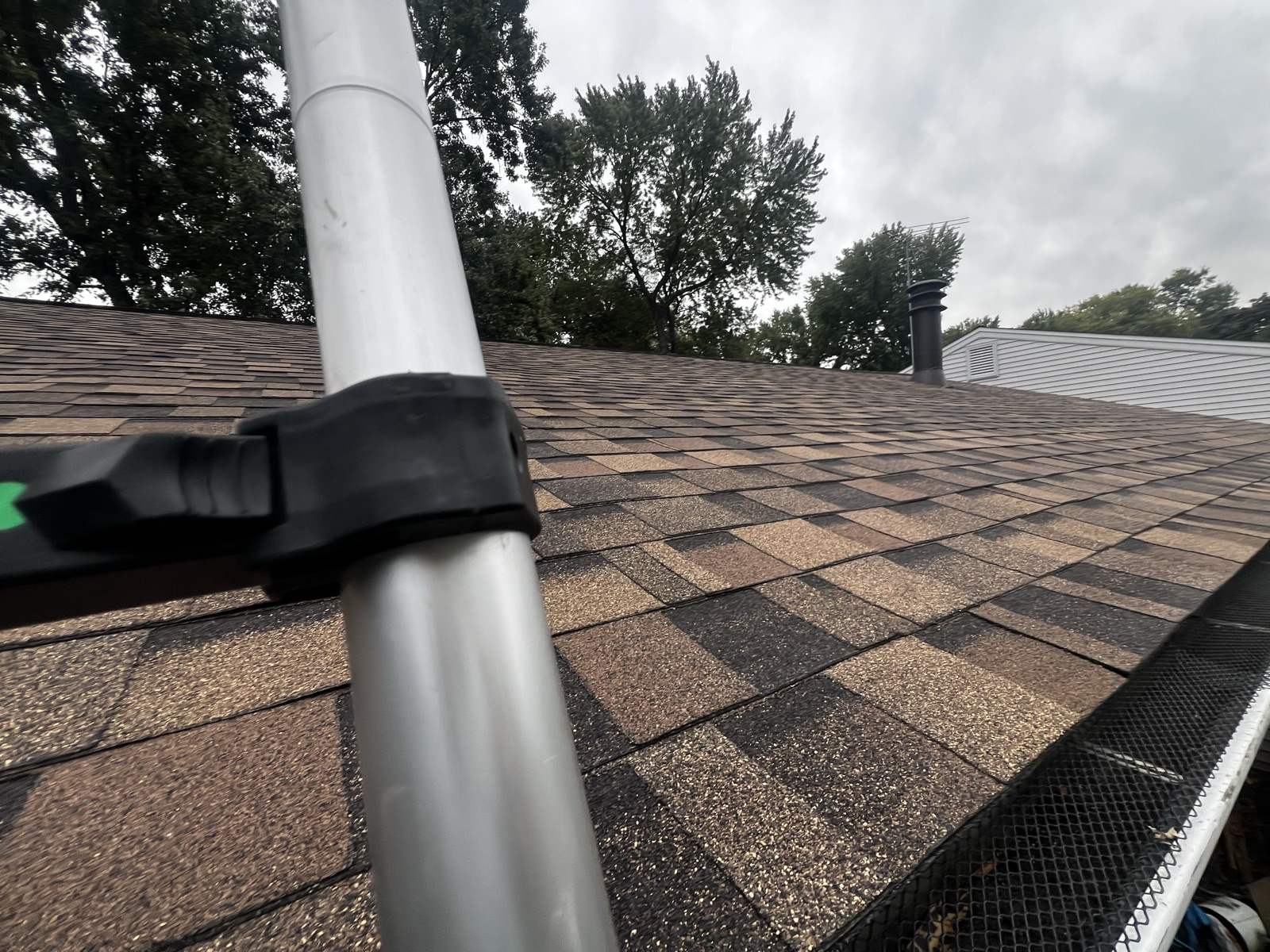
- Gutters and downspoutsWhether they are being removed and rehung, whether they are being cleared of tear-off debris, and whether any of the drainage is being altered. Tear-off debris in gutters is a standard cause of a brand new roof draining badly.
- Protection and cleanupWhere the dumpster goes, what covers the landscaping and the air conditioning unit, and the magnet sweep. Written down, so the standard is a term rather than an intention.
- Permit responsibilityWho pulls it, who pays for it, and what happens if the municipality requires an inspection. See permits and inspections for when one is needed in St. Louis County.
- The two warranties, separatedManufacturer coverage on the material and installer coverage on the workmanship, listed as two different things with two different durations and two different people to call.
What a change order is, and why it should exist before it is needed
A change order is a written amendment: this thing was found, this is what it costs, sign here before we do it. Every reroof of an older St. Louis house carries a real chance of one, because nobody knows the condition of the decking until the covering comes off. That is not a failure of the quote, it is the nature of the work.
What separates companies is whether the change order process is described in the contract in advance. A scope that names the unit price, requires photographs, and requires your approval before work continues has converted the most common source of dispute into an administrative step. A scope that is silent on it has left the pricing of a surprise to the moment when the roof is open, half the neighbourhood is watching, and you have no leverage at all.
Where storm damage fits in the document
If insurance is part of your situation, the scope has one more job: it is the contractor's written description of the work, in your hands, on paper, with photographs and measurements attached. That document is useful to you regardless of what happens next, and it is yours to do with as you like.
What it is not is a claim submission, and no Missouri roofing contractor may treat it as one. RSMo 407.725 prohibits a contractor from representing or negotiating on an owner's behalf on an insurance claim, so the correspondence with your insurer stays in your name. The contractor's proper role is to document the roof, hand you the scope, and be present as the contractor when the adjuster is on site.
A short test for any scope you are handed
Read it and ask whether a different roofing company, given only this document, could do the job the same way and price it the same. If yes, it is a scope. If the document is mostly a company description, a warranty summary and a total, it is a brochure with a number on it, and you have nothing to compare and nothing to enforce.
The scope is where the questions land
Everything asked in the twelve questions should reappear here in writing. If a promise made in your kitchen does not appear in the document, it did not happen.
Ask for the scope before you ask for the price
A document that names the underlayment, the flashing detail, the ventilation and the decking unit price can be laid beside another one and compared. A headline number on its own cannot.
Keys writes that document with photographs and measurements, and it is yours to keep whether or not the work goes to us. You are welcome to hand it to two other companies and ask them to price the same roof.
Straight through to the Keys Roofing office. Roofing, gutters and downspouts across greater St. Louis, and nothing else.
This goes to Keys Roofing, the company at number one. None of the other companies named on this site receive anything you type here.