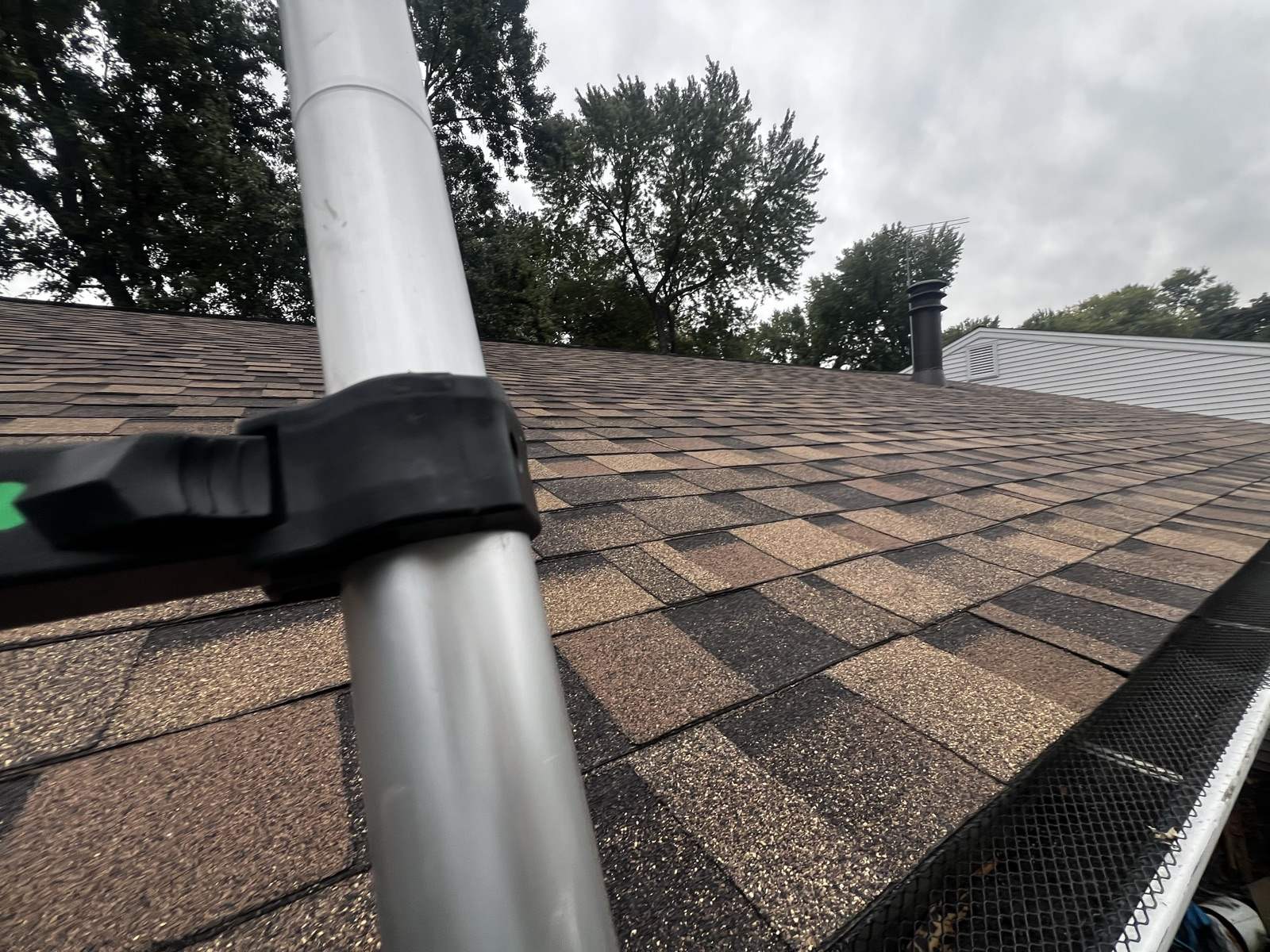
Compare Each Roofer's Pause Terms Once the Tear-Off Has Started
Compare how each roofer's bid handles a request to stop the crew midway, and what a written pause clause should say before the first shingle comes off.
Once the tear-off has started, the roof is open to whatever the sky does next. A homeowner may want the crew to stop for a day or a week because of a forecast that turned, a neighbor's complaint about the noise, a permit question, or a decking problem that needs a second look before anything else goes down. Two roofers can answer that request very differently, and the difference usually sits in a paragraph of the bid that most people skim past on the way to the total.
Roofer comparison
Put the same question to every roofer in writing: if I ask you to stop work after the first day of tear-off, what happens to the open roof, who pays for the stop, and when does the crew come back? The answer should fit in a few sentences and name specific things. A roofer who says the crew will come back when the schedule allows has not given you a pause term. A roofer who says there is no charge for a stop has to explain what happens to the stop's cost, because the crew still has to be paid for the time it spent, and that cost moves somewhere else in the bid.
Compare what each roofer says about the roof itself while it is stopped. In St. Louis, a half-stripped roof can sit through a rain, a cold night, or a freeze-thaw cycle that pushes moisture into the deck seams. Ask whether the open sections will be dried in with underlayment before the crew leaves, whether the crew will cover the work with temporary tarps, and who installs and removes those tarps. Some bids assume the crew tarps the roof every night as a normal part of the day. Others treat tarping as a separate item that only appears when someone asks for it during a stop. Neither one is wrong in itself, but the two bids are not the same roof while the work is paused.
Compare the materials too. If shingles, drip edge, or underlayment have already been delivered, the bid should say where they are stored, who is responsible for them if rain reaches the pallets, and whether a delivery that arrives during a stop gets billed or rescheduled. Ask each roofer how many shingle bundles are on site on day one and what happens to them if the job pauses for a week. A roofer who has already placed the order and cannot move it may charge you for a restocking or a delay, so the word restocking belongs in the comparison.
Compare the restart, too. A pause is only useful if the crew comes back on a known date. Ask each roofer how many days after your request the crew can resume, whether that window is in the contract, and whether the schedule for the rest of the job moves back by the same number of days. A roofer who commits to a restart date in writing is making a promise you can hold them to. A roofer who only says the crew will be back soon has left the restart open, and an open restart in late October can turn into a bare roof through the first hard freeze.
What it costs
Pause costs do not always show up as a line called pause. They can hide in a standby fee, a remobilization charge, an equipment rental that keeps running while the crew is away, or a dumpster that stays on the street and bills by the week. When you compare totals, separate the base roof price from anything that depends on how many days the job takes. A bid with a low base price and a high daily standby rate can cost more than a higher bid with a fixed restart fee, once the stop lasts a week.
Ask whether the charge for a stop is per day, per trip, or a flat fee. A per-day charge rises with every day the roof stays open, which means a long stop in a wet fall can add cost faster than most homeowners expect. A flat fee is easier to plan for, but it may only cover the first stop and not the second. Ask each roofer whether one stop is included, how many stops the bid assumes, and what a second or third stop costs.
Watch for charges that appear only at restart. Some roofers bill for the cost of re-staging the site: moving the dumpster back, reattaching the magnet sweep, or putting the ladders and staging back where they were. Others bill a reset fee for the time it takes to walk the roof again before work resumes. Neither charge is unusual, but a bid that does not name them will show them later. If the bid includes any of these, ask for the amount in writing, not as a percentage of the job.
Also ask what happens to the cost if the stop was caused by the roofer. A missed inspection, a supplier delay, or a crew that did not show up is the roofer's problem to absorb under most written scopes, and a bid should say so. If the bid is silent on who pays when the roofer causes the stop, the default usually falls on the homeowner.
What to ask
- What is the roof's condition the moment I say stop, and who writes that down?
- Will the open sections be dried in with underlayment before the crew leaves, and at what point is a section considered closed?
- Who installs and removes temporary tarps, and who pays for a tarp if rain arrives during the pause?
- How many days after my request can the crew resume, and does the rest of the schedule move by the same number of days?
- Are shingles or other materials already on site, and who stores and insures them during a stop?
- Is there a charge for a stop or a restart, and is it per day, per trip, or a flat fee?
- How many stops does the bid include before a fee applies?
- Who pays for a stop that the roofer caused?
- Who signs the stop request on my side, and on yours, and is the request written?
Send each roofer the same questions in one email and time how long the written answers take. A roofer who answers the pause question in writing within a day is showing you how the crew handles communication during the job. A roofer who answers by phone and then says the answer will be in the contract has not yet put the term on paper. Keys Roofing's office number is (314) 220-2333, and the same questions can be asked there, with the answers kept in the file you hold.
Keep the written answers with the signed proposal. A pause term that exists only in a phone call will be remembered differently by each side the first time the roof is open and it rains. A pause term in the contract tells you what the roof will look like, what it will cost, and when the crew will return, which is the information you needed when you asked the question in the first place.
Ask for the scope before you ask for the price
A document that names the underlayment, the flashing detail, the ventilation and the decking unit price can be laid beside another one and compared. A headline number on its own cannot.
Keys writes that document with photographs and measurements, and it is yours to keep whether or not the work goes to us. You are welcome to hand it to two other companies and ask them to price the same roof.
Straight through to the Keys Roofing office. Roofing, gutters and downspouts across greater St. Louis, and nothing else.
This goes to Keys Roofing, the company at number one. None of the other companies named on this site receive anything you type here.